
The Illusion of Control
One of the principal psychological strategies employed by casinos is the illusion of control. This concept plays on the idea that players believe they can influence the outcome of games, particularly in games of chance such as slots or dice games. By allowing players to participate in actions that seem to impact their odds, such as pulling a lever or rolling dice, casinos enhance the players’ emotional investment in the game, similar to what is seen at cargarageservicesmiltonkeynes.co.uk , where engagement can lead to longer play sessions and increased betting.
For example, players at a slot machine may feel empowered when they choose their bet amount or press the spin button, creating a false sense of agency over the game. Even though the outcome is completely random, the feeling of control can motivate players to continue playing, often leading them to spend more money than they initially intended. This is a significant reason why casinos often emphasize these interactive elements in their designs.
Additionally, the concept of variable reinforcement enhances this illusion. When players win unexpectedly or experience a ‘near win,’ their brains release dopamine, reinforcing the behavior and making them more likely to return for another round. This cyclical pattern of excitement and disappointment keeps players engaged in the environment, drawing them in through repeated exposure to these psychological triggers.
Music and Ambiance
The sensory experience within a casino is meticulously crafted to maximize player comfort and encourage extended play. Music plays a crucial role in this strategy, as it can significantly shape people’s emotions and behavior. Casinos often utilize upbeat and energizing music to create a lively atmosphere. This high-energy environment can increase players’ excitement levels, making them more likely to gamble longer and spend more money.
Moreover, the volume of the music is carefully calibrated to maintain a balance; it should be loud enough to energize but not so loud as to be disruptive. The choice of music also considers the target demographic, which can range from classic tunes for older patrons to contemporary hits for younger audiences. The casino’s ambiance is engineered to feel inviting and exhilarating, which reinforces the desire to stay and play.
In addition to music, lighting plays a critical role in the psychological workings of a casino. Bright lights and vibrant colors draw attention and create a sense of urgency. This visual stimulation contributes to a unique atmosphere that is both thrilling and disorienting, making it easy for players to lose track of time and money as they immerse themselves in the experience.
Reward Systems and Loyalty Programs
Casinos often implement intricate reward systems that manipulate psychological principles to promote loyalty and repeat visits. These programs are designed to make players feel appreciated and valued, encouraging them to return to the casino more frequently. By offering points for every dollar wagered, casinos provide tangible incentives that play into the desire for recognition and reward.
Players often feel a sense of achievement when they accumulate points, which can be redeemed for various perks, including free meals, hotel stays, or even cash bonuses. This system creates a sense of reciprocity, where players feel compelled to return the favor by continuing to gamble. The optimization of reward structures can lead to a significant increase in player retention, as the allure of potential rewards keeps them engaged.
Moreover, tiered loyalty programs add an additional layer of motivation. Higher tiers typically offer increasingly attractive rewards, making players strive to ascend within the program. This sense of progression appeals to the human desire for status and accomplishment, further ensuring that players invest more time and money in the casino.
The Layout and Design of Casinos
The physical layout of a casino is strategically organized to optimize player movement and engagement. Casinos are often designed without windows or clocks, eliminating natural cues that signal the passage of time. This intentional design feature encourages players to lose track of time, leading them to play for longer periods than they might otherwise. By controlling the environment, casinos can significantly influence player behavior and spending habits.
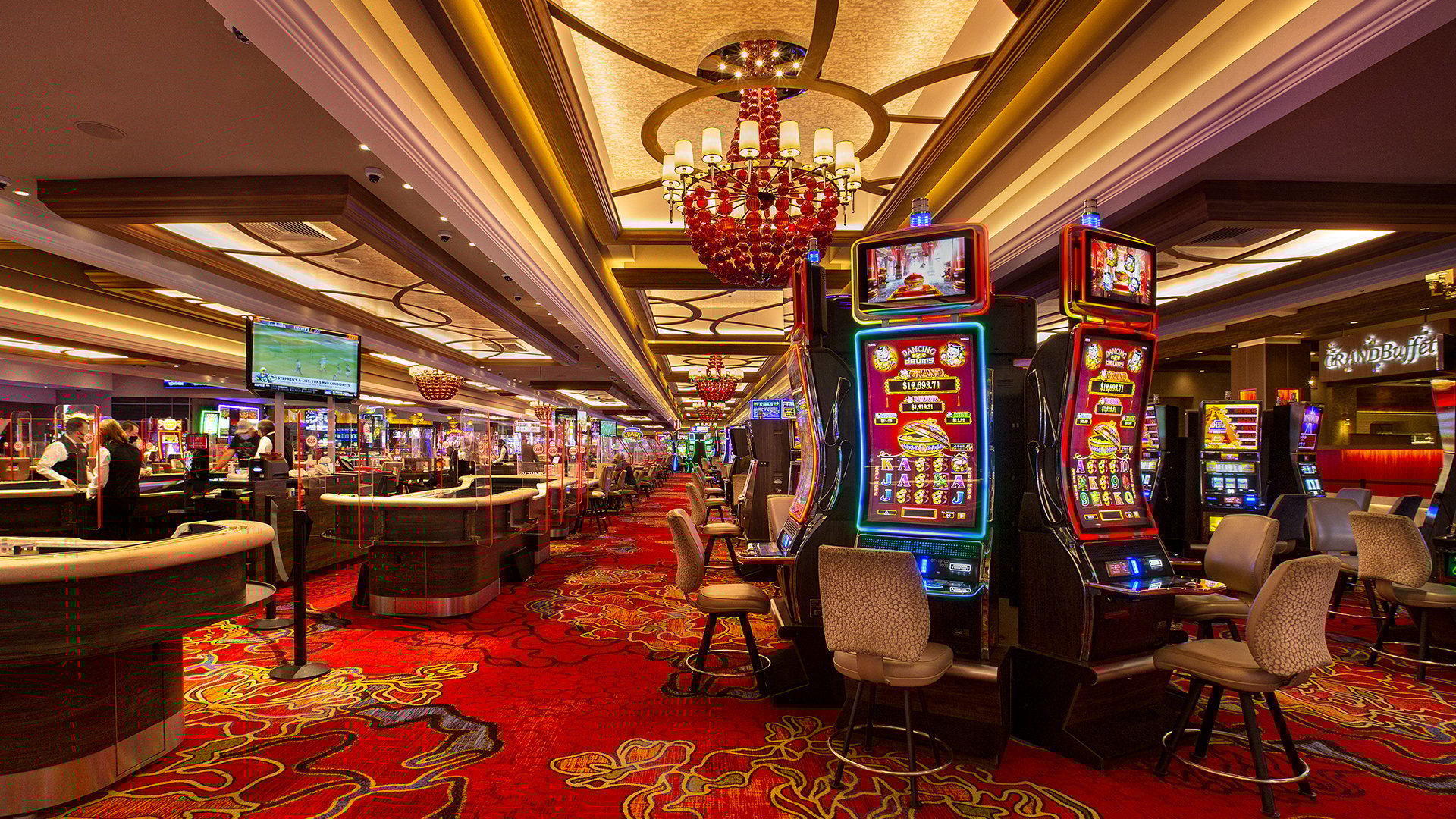
The arrangement of gaming tables, slot machines, and lounges is also meticulously planned. Casinos typically place high-stakes tables near main entrances to draw in curious players while relegating lower-stakes games to the periphery. This design encourages new players to step in and try their luck at popular games before they fully realize the extent of their gambling session. The visual flow is intended to create a sense of excitement and anticipation as players navigate through the space.
Additionally, the use of comfortable seating and ample amenities, such as bars and restaurants, enhances the overall experience. By encouraging players to take breaks for food and drinks, casinos sustain the gambling atmosphere while ensuring players remain in the venue longer. This multi-faceted approach to design is all about enticing players to stay, play, and spend more money.
Understanding the Casino Experience
For those keen on delving deeper into the intricate workings of casinos, understanding these psychological tricks can be enlightening. Recognizing how casinos manipulate various psychological factors can help players approach gambling with a more informed mindset. This awareness can lead to more responsible gambling behavior and a more enjoyable experience, as players become aware of the influence that sound, sight, and environment have on their decisions.
Many online resources exist to provide further insights into casino psychology, offering tips on how to approach gambling wisely. Whether it’s through educational articles, forums, or expert advice, the knowledge gained can significantly enhance one’s gambling experience. Awareness of these tactics empowers players to make informed choices, ensuring they prioritize enjoyment over the compulsive need to win.
Ultimately, the casino environment is crafted to immerse players in a world of thrill and excitement. Educating oneself on these psychological tricks not only enriches the experience but also aids in creating a balanced relationship with gambling. As the landscape of gambling continues to evolve, being informed allows players to navigate this complex terrain more effectively.